
Uncategorized
Whoa!
I opened a block explorer last week and felt a mix of curiosity and mild dread. There are so many explorers out there, but the ones that actually help you dig into a Solana transaction are few. My instinct said this would be another shiny dashboard, but somethin’ about the interface made me pause. When you stare at a raw transaction, the difference between clarity and confusion often comes down to small presentation choices that reveal program flow and inner instruction order, not just prettified token icons.
Seriously?
The nuance is in the details — inner instructions, token balances, and rent exemptions. If you care about on-chain provenance or debugging failed transfers, those data points matter. Check this out—some explorers surface raw logs, others hide them behind layers of UX decisions. The design trade-offs between beginner-friendly flows and power-user transparency are real and often dictated by backend indexer speed and cost, which means the explorer you prefer might be a compromise rather than a pure win.
One late-night detective story (and why it matters)
Hmm…
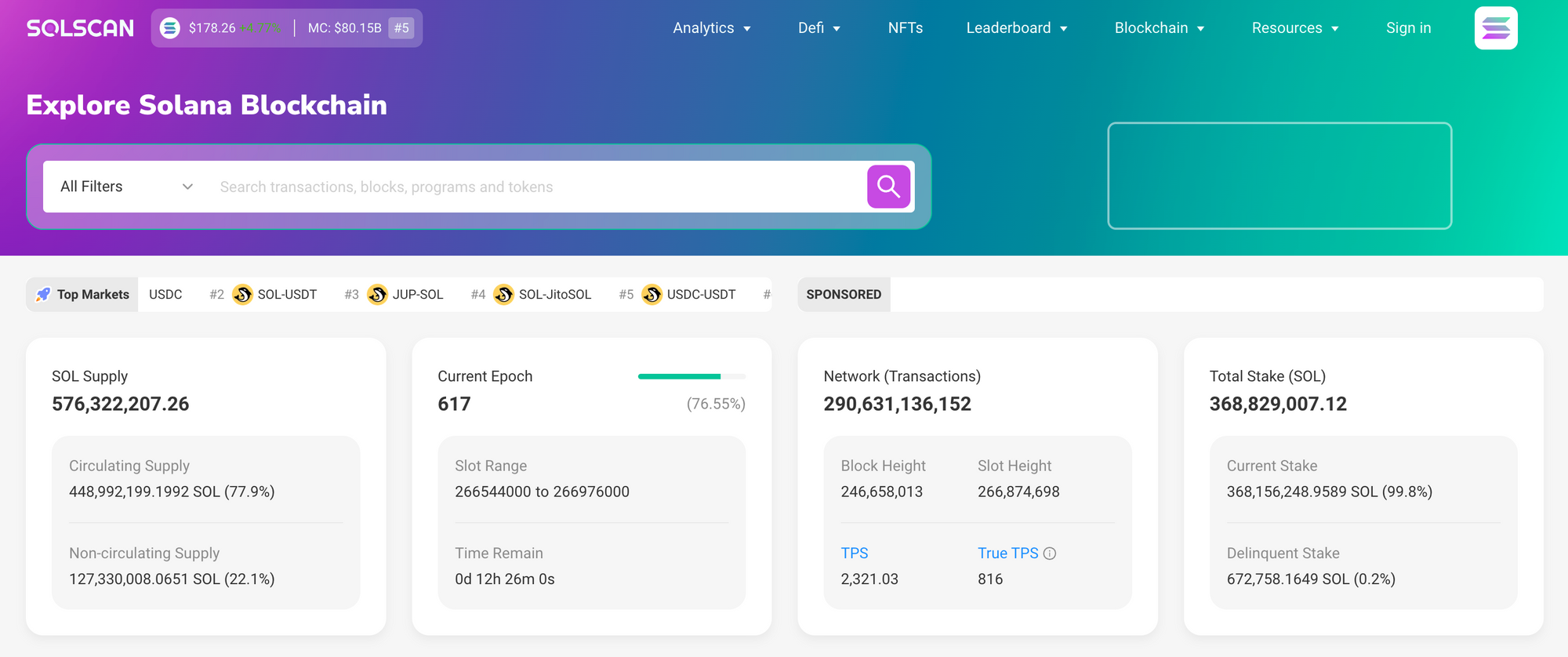
I used solscan for a late-night investigation into a weird SPL token bounce. It showed me the exact instruction that triggered the failure, the wallet sequence, and the block time. Initially I thought the token program was buggy, but then realized the sender had mis-specified an account, which clarified the whole flow and saved me from chasing a phantom bug. Actually, wait—let me rephrase that: the explorer didn’t magically fix anything, but it gave me the context to see what went wrong, which is the practical win.
Here’s the thing.
A good explorer makes you feel confident poking around raw transactions without being overwhelmed. I’m biased toward tools that give me CSV exports and reliable API endpoints, because I build tooling on top of explorers. On one hand I want clean UIs and fast search, though actually mapping those needs against node RPC rate limits and indexer costs shows why some features are premium or slower, which is annoying but understandable. Those constraints shape what an explorer can do in practice, and knowing that keeps expectations realistic.
Wow!
For regular users trying to check a transfer or confirm a token mint, the right explorer is like a flashlight in a dark garage. I remember checking a transaction at 3 a.m. and being relieved to see the timestamp and fee breakdown. When choosing an explorer look for three practical things: fidelity of transaction data, transparency of inner instructions, and stability of APIs for programmatic checks. I’m not 100% sure which explorer will be your favorite, but if you prioritize those features you’ll avoid a lot of late-night guessing and somethin’ messy.
FAQ
How do I verify a Solana transaction?
First, find the transaction signature in your wallet or DApp. Then paste it into an explorer’s search bar and inspect the logs, inner instructions, and token transfers shown there. If a signature has multiple instructions, step through them one by one so you can see which program call did what — that systematic approach saves time and reduces confusion.
Why do explorers show different results sometimes?
Indexing delays, node propagation, and caching can cause slight differences across explorers. Also, some explorers enrich data differently or hide low-level logs to simplify the view, which can make two explorers feel inconsistent. My instinct said it was a cache glitch once, and yeah, often it is just timing — but occasionally it’s a real network reorg or an RPC nuance, so double-check when it matters.