Uncategorized

Why logging into Coinbase still feels like a small modern miracle (and how to make it painless)

Whoa! Ever stood there, phone in hand, password halfway typed and thought: “Is this worth it?” Yeah. I’ve been trading and moving coins for years, and the login dance on exchanges—especially Coinbase—can be oddly stressful. My instinct said it should be simple. Then reality kicked in. The thing is, Coinbase mixes consumer convenience with institutional-grade security, and those two goals don’t always hold hands nicely.

Here’s the short story: if you’re a trader who wants speed without sacrificing safety, you need to think like both a user and a guard. Seriously? Yep. Quick reflexes matter. So does layered thinking. Initially I thought two-factor was the whole hill we had to climb, but then I realized that most lockouts and scams happen before 2FA even gets a look. On one hand, convenience demands autofill and saved sessions; on the other hand, those conveniences open doors to account takeovers unless you lock down your endpoint.

Okay, so check this out—I’ll share practical steps that actually help, not just the usual “enable 2FA” line. I’m biased toward tools and habits that reduce friction while protecting funds. I’m not 100% sure about any single vendor forever; things change fast. But these patterns work now, and they come from screwing up and learning… which is probably the fastest teacher.

First: use the right app. The Coinbase mobile app and web experience are different beasts. The app is faster for push-based sign-ins, and it’s more forgiving about sessions. The web interface gives you more granular account settings and visibility for advanced trading and transfers. My default: do quick checks and simple buys on mobile; handle deposits, large sells, and account settings on a desktop with a carefully updated browser. (oh, and by the way… if you ever need the official login landing, bookmark the verified coinbase page so you don’t chase sketchy links.)

Close-up of a smartphone showing Coinbase login screen with a blurred background

Practical login checklist (speed + security)

Here’s what I actually do every time I log in. Short list first. Then reasons. First, enable a hardware security key if you trade sizable amounts. Second, set up app-based 2FA (not SMS) and add a backup method. Third, harden your email (because email recovery is the most abused path). Fourth, use a password manager. Fifth, verify device and session lists periodically. Simple? Kinda. Worth it? Very very worth it.

Hardware keys like a YubiKey or Titan key add a physical step, obviously. But that physical step is gold. My instinct said “overkill,” but after a near-miss with a SIM-swap attempt on a colleague’s account, I changed my tune. Actually, wait—let me rephrase that: for most casual users, app 2FA is fine; for traders who keep serious bags on exchange, hardware keys should be standard. On one hand they add complexity; on the other hand, they stop automated attacks dead.

About SMS: don’t rely on it. Carrier-level attacks exist. Something felt off about sharing a phone number as a primary security vector years ago, and the trend hasn’t gotten better. Use TOTP apps (Authenticator, Authy, etc.) and export your emergency codes into a secure vault. If you must use SMS, consider it a fallback and keep it off recovery flows whenever possible.

Passwords. Use a password manager. Period. I see folks reuse passwords like it’s 2009 and I’m like—wow. Don’t do that. Create a long passphrase that’s unique to the account. Don’t store it in notes on your phone. If you lose access, the recovery path is usually through email or government ID verification, and that can be a mess. So prep your recovery documents and keep them somewhere safe but accessible to you.

Now, about authenticating sessions across devices. Coinbase will show “trusted” sessions—but treat that trust like a fragile thing. Log out from public machines. Revoke unused devices regularly. If you see a login notification you don’t recognize, act fast. Freeze transfers, change passwords, and contact support. Support waits can be long. I’ve sat on hold with a support rep before; it’s not fun. So prevention beats cure.

Phishing is the real daily grind. Attackers get creative with subdomains, lookalike emails, and fake support chats. My gut says: if the message emphasizes urgency and asks you to “confirm now,” breathe. Don’t click links; instead, manually navigate to your bookmark or type the verified URL. Emails can be convincing. Use browser security extensions, and train yourself to hover over links to check destinations. I still get fooled sometimes—ugh—but having hardware keys and not reusing passwords made those incidents not catastrophic.

Another nit: device hygiene. Keep mobile OS and desktop OS patched. Remove unnecessary apps. Disable deep-linking from untrusted sources. Use a separate browser profile for finance and exchange work—no grocery coupons, no social logins, no plug-ins you don’t need. Yes, it’s slightly annoying. But it avoids a lot of accidental credential leakage.

One more behavior trick: set up low-friction alerts. Coinbase, and most exchanges, let you set withdrawal whitelist addresses, email/SMS alerts, and push confirmations. Configure alerts for big moves and for atypical sign-ins. Don’t drown in notifications; tune thresholds so you actually respond when it matters. My emails used to be chaotic—then I created a filter that only surfaces security-related messages immediately. Life improved.

FAQ

How do I recover my Coinbase account if I’m locked out?

First, assess which recovery path you have: email, 2FA backup codes, or ID verification. If you have backup codes, use them. If not, use Coinbase’s official recovery flow from the verified site. Expect identity verification steps—photo ID, selfie, proof of address. Be patient and provide clear images. If email is compromised, secure that first. And yes, this takes time. I once waited several days for full access after a verification flag; maddening, but the delays are there to slow attackers down.

Should I keep crypto on Coinbase or move to a private wallet?

Short answer: both. Keep what you need for trading on exchanges. Move long-term holdings to self-custody—cold wallets or hardware wallets. If you’re using Coinbase Wallet (the self-custody app) be sure to back up your seed phrase offline and never type it into a website or store it in cloud notes. If you prefer the exchange convenience, keep only the capital you actively trade with on exchange and secure the rest elsewhere.

Okay, here’s a final, slightly messy thought. Trading and holdings are personal. I’m biased toward giving more protection than convenience because once crypto leaves your custody, it’s often gone. But I also get that life is busy and people want fast trades. So find the balance that keeps you sleeping at night. If you want a reliable place to start your login routine, bookmark the official coinbase login and make it the one source you trust. Seriously—do that. It saves headaches.

Alright—one last note: this stuff evolves. New authentication tech appears, fraudsters adapt, and your habits need to shift. Keep an eye on account activity, update recovery options annually, and don’t be shy about asking support for help when somethin’ looks off. You’ll thank yourself later.

Uncategorized

Why a Desktop Multi-Coin Wallet with Atomic Swaps Feels Like Freedom

Whoa!

I’m biased, but I love wallets that give control back to users.

They cut out middlemen and reduce reliance on exchanges.

On one hand I used custodial services for years, though actually my instinct said something felt off about giving up keys.

Initially I thought convenience was king, but then I realized a desktop multi-coin wallet with atomic swap capability offers a strong middle path that balances control, usability, and privacy in ways exchanges often can’t match.

Really?

Yes—atomic swaps are simpler than people expect.

They let two parties exchange coins across different blockchains without a trusted intermediary.

I’ll be honest: somethin’ about trustless trades still gives me a little thrill, even after doing this for years.

The technical trick uses hashed timelock contracts (HTLCs) so both sides either complete or the funds revert, which reduces counterparty risk while keeping things peer-to-peer and transparent on-chain.

Whoa!

Desktop wallets matter for more than power users.

They keep seeds on your machine and avoid browser extension risks.

Okay, so check this out—many people assume desktop equals complicated, but modern UX has closed that gap substantially, making strong security accessible to non-technical folks.

On long trades or when moving a chunk of funds, having a local wallet can feel like a home safe that you carry in your laptop bag rather than a key hidden at a bank, and that mental shift matters for adoption.

Hmm…

Multi-coin support is underrated.

People want to swap BTC, ETH, and altcoins without juggling five apps.

Initially I thought single-asset wallets were fine, however the world of DeFi and cross-chain liquidity makes being able to hold many assets in one place very useful—especially when you want to route an atomic swap quickly and avoid on-exchange delays.

My experience shows that smooth coin management combined with atomic swaps lowers friction, which is what actually gets people to use decentralized tools regularly.

Really?

Security tradeoffs matter though.

Backups, seed phrases, and encrypted local storage are essential.

Actually, wait—let me rephrase that: security is a practice, not a feature; the wallet should make the practice simple and clearly guide users through safe habits while keeping advanced controls available.

So look for wallets that offer strong encryption, optional hardware integration, and clear recovery instructions, because the technical power of atomic swaps is meaningless without good key stewardship.

Whoa!

User experience can be the final gatekeeper.

Even veterans balk at clunky flows or scary jargon.

My instinct said if a wallet can’t explain what an atomic swap will do in plain English before you click confirm, you probably shouldn’t trust it with your funds.

Good interfaces walk you through HTLC timing, reveal secrets only when necessary, and show timeouts and fees in ways non-savvy users can understand, which greatly reduces errors and stress.

Seriously?

Yes, fees and timing are practical matters.

Atomic swaps sometimes require on-chain transactions on two networks.

That means you need to factor in miner fees, potential mempool delays, and the timing windows that HTLCs enforce; if you rush or misconfigure the timeout, you can create friction that ruins the trade, so plan ahead.

On a practical level I once delayed a swap because I misread the timeout on a mempool-heavy day—lesson learned: double-check, and don’t swap during peak congestion if you can avoid it.

Whoa!

Interoperability is evolving fast.

More chains are adding compatibility and wrapped-asset bridges.

On one hand bridges offer utility, though actually they add complexity and sometimes introduce new trust assumptions that negate the point of trustless atomic swaps, so choose your routes carefully.

Ultimately, a good desktop wallet will let you pick the cleanest path while warning you about bridge-induced risks and centralization points—transparency matters.

Hmm…

The community angle surprises me.

Peer-to-peer swapping fosters direct relationships.

I’m not 100% sure if everyone wants that level of social interaction with trades, but in practice it’s been a boon for traders who value privacy and lower fees compared with centralized order books.

There are times when meeting a counterparty directly for an on-chain swap is the right move, and wallets that facilitate that without forcing KYC feel like a return to crypto’s ideals for many folks.

Whoa!

Want to try it safely?

Start with small amounts and a testnet environment if available.

I’m biased toward hands-on learning—so open the app, create a local wallet, and try a tiny atomic swap to see the messaging, timeouts, and recovery steps in action.

If you want an easy entry point for a desktop multi-coin wallet that supports atomic swaps, check this download and follow the setup steps carefully: https://sites.google.com/cryptowalletextensionus.com/atomic-wallet-download/

Screenshot mockup of a desktop wallet showing multiple coins and an atomic swap flow

Practical tips before you swap

Really?

Yes—prepare and rehearse the steps.

Use hardware wallets for large balances, keep seeds offline, and confirm on-chain confirmations before revealing HTLC secrets.

Also—watch fees, set realistic timeouts, and use clear naming for coins to avoid sending the wrong tokens across chains, because mistakes cost real money and stress.

Frequently asked questions

What is an atomic swap?

Whoa! In short: it’s a trustless cross-chain exchange using cryptographic locks and timed refunds, so either both parties complete the trade or both get refunded—no middleman required.

Can a desktop wallet be safe?

Seriously? Absolutely, if you follow best practices: encrypted local storage, strong passwords, hardware wallet compatibility, and secure backups; treat the wallet like a physical safe that needs both good locks and sensible placement.

Should I use atomic swaps instead of exchanges?

Hmm… It depends—atomic swaps give privacy and control, but exchanges offer liquidity and speed; for many users the hybrid approach works best: use swaps for privacy-sensitive trades and exchanges for large order book liquidity.

Uncategorized

Why the Right Solana Wallet Feels Like Picking the Right Pair of Sneakers

Whoa!

If you use Solana daily, the wallet you pick matters. Security, speed, and dapp compatibility change the experience a lot. I’ve tried a handful of wallets and some felt clunky. Initially I thought browser extensions were all roughly the same, but after digging into Phantom and several competitors (and losing patience with slow RPCs), I changed my mind.

Seriously?

Phantom’s extension is lightweight, and it integrates neatly with many Solana dapps. Connecting is usually one click, though permission prompts can confuse newcomers. On one hand it abstracts away complexity for users, but on the other hand that abstraction sometimes hides crucial transaction details which matter when you’re moving real funds. Something felt off about default settings when I first installed it.

Screenshot of Phantom extension connected to a Solana dapp

Why I Recommend Phantom

I’ll be honest.

Phantom extension is my go-to when I test Solana dapps locally. You can find an easy gateway for installing or learning more at https://phantomr.at/ which helped me troubleshoot an odd UI glitch once. Initially I thought all extensions were clones, but spending hours toggling settings and reading release notes showed me real differences in transaction previews, token handling, and recovery flows. Also, community support and frequent updates matter a lot for day-to-day reliability.

Hmm…

My instinct said watch the permissions flow, and audit what dapps request. Many dapps request wallet interactions that are unnecessary for basic use. Actually, wait—let me rephrase that: some requests are optional for advanced features and triple-checking intent helps avoid signing transactions you didn’t mean to sign, especially in crowded DeFi interfaces. I’m biased toward wallets that expose transaction details before approval.

Here’s the thing.

RPC choice matters almost as much as the wallet UI. If your RPC is lagging or rate-limited then retries pile up, transactions fail, and users blame the wallet when the real bottleneck is server-side or network-level—this is a common, misdiagnosed problem. Many extensions let you change RPC endpoints, and that’s lifesaving sometimes. Check and switch endpoints when somethin’ feels noticeably slow in practice.

Wow!

Wallet UX affects onboarding for new Solana users a ton. When dapps request only what is necessary, and when the extension surfaces the exact costs and approvals, users learn to trust the flow, but when prompts are vague they abandon transactions mid-flow and that hurts growth. Phantom balances clarity and simplicity, though there’s room for advanced toggles. This part bugs me because poor UX chokes adoption, very very easily.

Okay, so check this out—

I use Phantom as my daily extension for exploring NFTs and small DeFi interactions. It doesn’t mean it’s perfect; bugs show up sometimes in beta features. On one hand I’ve had smooth swaps and wallet-connected experiences during hackathons, though actually there were moments where pending transactions hung for longer than I’d like, requiring me to cancel and rebroadcast through a different RPC. I can’t claim expertise in institutional custody, but for retail it works well.

FAQ

Is Phantom safe for beginners?

Yes for everyday use; it exposes seed phrase backups and has a clear UI for confirming transactions, though you should still double-check every signature prompt and keep your recovery phrase offline.

How do I troubleshoot slow transactions?

Try switching RPC endpoints, clear your browser cache, and, if problems persist, test with small amounts on devnet before pushing mainnet transactions—those simple steps have saved me more than once.

Uncategorized

Why I Started Using a Desktop Ethereum Wallet with Built-in Exchange

I keep circling back to wallets that just work. Wow! My first impression was skepticism. Then curiosity took over. I wanted something simple, yet powerfully capable, especially for Ethereum and ERC-20 tokens. Initially I thought desktop wallets were old-school, but then realized they can offer a very practical balance of security and convenience when built right.

Here’s the thing. Seriously? Custody matters more than hype. My instinct said to hold my private keys, and that gut feeling proved useful many times when exchanges went sideways. On one hand, online exchanges are convenient; on the other hand, you don’t control keys there and that bugs me. I’m biased, but I prefer a desktop wallet where I can see everything on my own screen.

Okay, so check this out—desktop wallets have matured. They now support in-app exchange features, meaning you can swap ETH for USDC or other tokens without leaving the app. That reduces friction and the number of on-chain transactions you need to make, which in turn can save gas and time… though it’s not magic. The trade-offs are worth understanding before you dive in.

Whoa! The UX matters a lot. For a long time, I treated wallet UI as secondary, but honestly, a clunky interface leads to mistakes. My first few months using wallets felt messy and slow. After tweaking my setup, things improved. Actually, wait—let me rephrase that: I started caring about small things like nonce handling and token discovery, and they made a big difference.

Let me tell you a practical routine. I keep an offline seed written on paper and a desktop wallet for daily moves. Hmm… sometimes I move funds from cold storage to my desktop when markets look interesting, and then back again. This approach isn’t novel, but it feels safer than leaving everything on an exchange. On the technical side, you should verify transactions locally before signing. That habit saved me from a phishing attempt once.

Screenshot of a desktop crypto wallet interface showing ETH balance and swap option

Choosing the Right Desktop Wallet — Why Exodus Stood Out

Look, there are dozens of multi-asset wallets out there. I tried several. My instinct picked up subtle problems fast. Something felt off about wallets that hide fees or obscure exchange routes. Exodus, for example, struck a balance for me between approachable design and broad asset support. I used its desktop client to manage Ethereum assets, and the built-in exchange let me trade without constant app switching.

If you want to try it, check out exodus wallet. I’m not shilling—just sharing what worked for my setup in a US-centric workflow. The integration there is handy; you can swap, track portfolio value, and manage tokens in one place. That convenience is especially useful when gas prices spike and you want to act quickly.

On the security front, desktop wallets carry responsibilities. Keep your system patched and run anti-malware software. Back up your seed phrase in multiple secure physical locations. Don’t take photos of your recovery words with devices that sync to the cloud. These are basics, but oddly very very important in practice. If you skip them, you’ll regret it.

My process evolved over a few months. Initially I thought I needed the fanciest hardware right away, but then realized the right habits matter more than the flashiest gadget. On one hand, hardware wallets add a strong security layer; though actually, for many casual users a well-kept desktop wallet plus good hygiene is an okay middle ground. It depends on your risk tolerance and portfolio size.

Transaction costs and exchange routing deserve a note. In-app exchanges often aggregate liquidity from several providers, and that can hide slippage. Watch the rate preview and confirm routes before swapping. I once executed a swap without checking the route and lost a percentage to slippage—lesson learned. That part bugs me about some wallets that hide details behind simplified buttons.

Also, token support varies. Not every ERC-20 appears by default, and sometimes you must add custom tokens. The discovery mechanism can be manual, and that annoyed me at first. But it’s manageable: copy the token contract, add it, and validate balances. The desktop environment makes this process clearer than mobile, in my opinion.

Really? The desktop also helps with multi-account setups. If you juggle personal and business wallets, having separate profiles on the same machine is a practical convenience. I run one profile for savings and another for trades. It keeps mental overhead lower and audit trails cleaner. Plus, exporting transaction histories for taxes is easier on a desktop where you can grab CSVs and receipts.

FAQ

Do desktop wallets support direct crypto-to-crypto swaps?

Yes, many modern desktop wallets include built-in swap functionality that aggregates liquidity from exchanges. That lets you exchange ETH for other tokens without moving funds to a centralized exchange. Be mindful of fees and slippage though, and double-check the route before confirming.

Is a desktop wallet safe for holding Ethereum long-term?

It can be, if you follow good security practices: secure backups, an updated OS, strong passwords, and cautious link-clicking. For very large holdings, consider combining desktop usage with a hardware wallet or cold storage. I’m not 100% sure about one-size-fits-all advice, but a layered security approach works well.

How do I add uncommon ERC-20 tokens?

Find the token contract on a trusted explorer, copy it, and add it as a custom token in the wallet. Verify decimals and symbol. If balances don’t appear, try rescanning or re-importing the address. (Oh, and by the way… double-check contract authenticity to avoid scams.)

Uncategorized

Why I Still Rely on a Blockchain Explorer (and How a Browser Extension Changed My Workflow)

Okay, so check this out—when I first started tracking ETH transactions I felt drowned in hashes and gas fees. Wow! The noise was real. At first glance everything looked like a big, impenetrable spreadsheet. My instinct said: there has to be a better way. Initially I thought a single web tab would do the trick, but then I realized that flipping between wallets, marketplaces, and token contracts wastes time and mental energy.

Seriously? I used to copy-paste addresses into a tab every few minutes. Hmm… It was clunky and error-prone. Over time that friction adds up, and your brain starts making sloppy shortcuts. On one hand you save a minute here and there, though actually you pay in mistakes later when a token contract looks slightly different or a token tracker mislabels a transfer. Something felt off about trusting only intuitive impressions; so I dug deeper and started using a proper blockchain explorer workflow.

Here’s the thing. A good explorer is not just a ledger viewer. It’s context, history, confirmations, and a way to vet contracts before you hit “approve.” Shortcuts can be dangerous. My early intuition saved me once, and then burned me once. So I learned to balance quick gut checks with methodical verification. That balance is probably the single most useful habit for anyone messing with tokens on Ethereum.

Let me give a real example. I once saw a token transfer with a tiny amount show up in my wallet. Whoa! At first I thought it was spam. But then I traced the contract on-chain and found that it was part of an airdrop scheme tied to a legitimate-looking project. Initially I panicked and almost approved a suspicious contract to recover something. Actually, wait—let me rephrase that: I almost made a choice before I fully verified the transaction path. Good thing I used an explorer to follow the money and check token holders.

There are three behaviors I now rely on, every single session. First, inspect the “From” and “To” addresses and check their history. Second, validate the contract source or verified bytecode if available. Third, use token trackers to confirm total supply and active holders. Wow! These steps take seconds with the right tools but they save you hours of grief when things go sideways.

Token trackers are underrated. They show distribution patterns that tell you whether a token is centralized in a few wallets or actually distributed. If 90% of the supply sits in three addresses, red flags should flash. My gut used to shrug at supply charts, but then I learned to read them like a cold-blooded auditor. On one occasion that reading prevented a loss that would’ve hurt me badly.

Browser extensions turned that workflow from tedious to seamless. They pop up in context, match addresses to explorer pages, and let you inspect transactions without leaving your dApp window. I’m biased, but having a small overlay while you approve transactions is like having a spot-check auditor whispering in your ear. It reduces mistakes, and reduces that sweating feeling when you confirm large transfers.

Check this out—if you want to try a lightweight option that integrates with common browsing habits, I’ve been using a handy tool linked below. Seriously? It saved me time and, more importantly, sanity. The extension links transaction hashes to on-chain details instantly, making it easy to look up token transfers, contract verification, and token holder snapshots without hunting for the right tab.

Screenshot of a blockchain explorer overlay showing transaction details and token holder distribution

Practical Tips for Using a Blockchain Explorer + Token Tracker

When you’re scanning transactions, adopt a quick checklist: confirm confirmations count, check gas usage patterns, inspect function calls in the input data, and cross-check token decimals. Hmm… My checklist evolved from trial and error, and it’s still changing. Use the etherscan browser extension to make these checks faster and less distracting from your primary workflow.

Also, watch for oddities: unusually high gas, repeated tiny transfers, or transfers from newly created accounts. Those signals often precede phishing or dusting attacks. I’m not 100% sure about every pattern—some are anecdotal—but being cautious pays. Oh, and by the way… always double-check contract source code if it’s an unfamiliar token. Even a simple mismatch in token decimals can make balances look totally wrong.

Another practical move: save frequent checks as shortcuts. Many explorers let you bookmark contract pages or token holders lists. That saves time. My habit is to pin top projects and suspicious-looking contracts for a quick revisit. It reduces the “oh no, what was that address?” scramble.

There’s also value in cross-referencing multiple explorers. On one hand, a single explorer is convenient. On the other, different explorers might index events slightly differently or show additional analytics. On rare occasions they disagree and that inconsistency itself is a clue. Initially this discrepancy annoyed me, but then I realized it often pointed to indexing lags or unverified contracts.

Finally, don’t forget privacy and permission hygiene. Extensions can be powerful. They can also be overscoped. I review permissions, keep my extension list minimal, and avoid auto-connecting unknown sites. That bit of paranoia is healthy in crypto. It keeps your keys safer, and keeps you from approving things you don’t fully understand.

FAQ

How quickly can I verify a transaction safely?

You can do a meaningful sanity-check in under a minute if you focus on confirmations, source contract verification, token holder distribution, and recent transaction history. Wow! For deeper due diligence—reviewing source code, reading forums, and cross-checking analytics—plan on more time. My instinct still nudges me to hurry sometimes, but methodical checks beat fast mistakes every time.

Uncategorized

Why liquidity provision for perpetual futures is where the pros really separate themselves

Okay, so check this out—I’ve been watching markets where latency and liquidity collide for a long time. Wow, markets move fast. Seriously? They move faster than most infra teams expect. My instinct said early on that the edge isn’t just speed; it’s knowing when to be passive and when to pounce, and then executing that plan without getting fried by funding or slippage.

Here’s the thing. For a professional trader focused on perpetual futures and HFT, liquidity provision is not a cozy passive income strategy. It’s a live, brutal game of inventory, funding arbitrage, and orderbook gymnastics. Whoa, that’s obvious to you. But actually, wait—let me rephrase that: you need a framework that treats each trade as both market-making and risk management, simultaneously. On one hand you want to capture the spread; on the other you must neutralize directional exposure almost instantly, though actually timing the hedge is a nuanced call.

Fast anecdote: I once ran a sideways gamma farm that looked great on paper. Hmm… something felt off about the funding patterns. My first impression was to widen quotes, but then the funding flipped and suddenly delta was killing returns. I adjusted by dynamically scaling quotes and layering hedges across perp pairs, and returns normalized. I’m biased, but that part bugs me—the funding model is under-discussed, and it kills strategies if you ignore it.

Orderbook and funding rate diagram with hedging arrows

Core levers for pro liquidity providers

Short list: spread, size, refresh rate, hedge latency, and funding exposure. Really? Yes. You control spread and size to manage adverse selection. You control refresh rate to limit stale orders, and hedge latency to avoid being picked off when directional moves happen. Long thought here: integrate funding expectations into the quoting engine so you’re effectively pricing in expected funding windows, which requires modeling funding dynamics over multiple venues and cross-asset correlations if you use synthetic hedges, because unexpected funding swings will blow up unhedged inventory positions.

Latency matters more than most people admit. Whoa, small difference. A few microseconds changes whether you’re the aggressor or the liquidity vacuum. Medium sentences: optimize kernel and NIC settings, colocate when it makes sense, and measure the entire round-trip, not just exchange-to-exchange. Longer: if your hedging leg lives on a different venue, you need to think in terms of conditional fill probabilities and slippage distribution, and then bake those into your price ladder so that your expected PnL is robust across microstructure stress events.

Funding-arbitrage is a consistent edge for perpetuals. Seriously? Yes. Capture it by structuring positions that net-neutralize market exposure while capturing funding differentials, but watch collateral and margin across venues—cross-margin assumptions can break in a flash during deleveraging. On the other hand, overleveraging for a tiny funding edge often ends badly: margin calls compound quickly and liquidity dries up when you most need it.

Another lever: orderbook shape. Here’s the thing. Passive liquidity that sits too deep never gets paid enough for risk. Too tight and you’re offering free liquidity to predators. Medium bit: map orderbook heatmaps and use them to size orders dynamically. Long thought: consider probabilistic order placement—blend limit and IOC orders based on predicted fill probability curves, then update sizes with Bayesian learning as you observe fills and cancellations; simple heuristics fail when HFT algos respond to your patterns.

Execution tactics that actually work in production are often painfully unglamorous. Wow. Use micro-stitching to take liquidity when it’s favorable and leave resting orders when the market looks noisy. My instinct said to always be symmetric, but then I saw asymmetric quoting during market stress produce better survivability. So I started skewing quotes based on measured tail risk and cross-venue liquidity dispersion.

Risk stops are not for losers; they’re for survivors. Short sentence: Know your blow-up mode. Medium: set tiered stop logic and dynamic position caps that kick in when funding or spread volatility blows out. Longer: implement multi-factor circuit breakers—price, funding divergence, hedging slippage—and tie those into automated kill-switches that preserve capital, because once you’re trying to manually fix a blown perp book it’s already too late.

Technology stack matters. Whoa, this is basic but true. Use a fast matching engine in your gateway, not a toy queue. Use deterministic order IDs, replayable logs, and a real-time telemetry pipeline. Medium: logging every ACK, NACK, and partial fill with millisecond timestamps is non-negotiable. Long: a good architecture treats strategy logic, execution, and risk orchestration as separate bounded components so you can patch one without taking down the whole farm—changes in funding models or new exchange behavior should be deployable in isolation.

Market selection and venue arbitrage are critical. Really? Absolutely. Some venues have deep native liquidity and better fills for large blocks, others have opaque AMM-like behavior that punishes size. Use venue-specific models for expected slippage and fill times. Also, sometimes the right play is not to trade the perp at all but to hedge via correlated spot or index futures on another venue, which requires cross-venue credit and collateral setup.

If you want practical next steps, start with a small live lab: iterate on a single instrument with conservative sizing, collect microstructure telemetry, and run backtests that ingest real fill-likelihood curves instead of assuming deterministic fills. Whoa, sounds nerdy, but it’s the only way. Medium: simulate adverse selection by replaying stressed tapes. Long: once your strategy behaves under noise and shocks, scale horizontally with cautious limits and instrument-specific tuning, watching funding and inventory daily rather than monthly—funding is a daily tax, not a monthly curiosity.

Platform note for busy traders: if you’re evaluating venues for deep liquidity and perp primitives, check platforms that prioritize matching, low spreads, and high throughput. I can point you to one modern option—hyperliquid—which some teams use for exactly this blend of features. I’m not a shill, but I’m pragmatic; choose infra that lets you run your risk controls cleanly.

FAQ

How do you size quotes to avoid adverse selection?

Start small and learn the fill distribution. Use a two-layer approach: inner layer tight but small, outer layer wider and larger. Monitor who hits you—if market takers move the price against you repeatedly, widen outer layers and reduce inner sizes. Also, consider randomized quote depths to avoid patterned picks; deterministic ladders get gamed.

What’s the simplest hedge for funding risk?

Neutralize delta with spot or inverse perp hedges sized to expected funding window exposure, then adjust dynamically as funding forecasts update. If funding turns against you, tighten inventory caps and pull passive orders until the funding stress abates. It’s not sexy, but it’s effective.

Can HFT liquidity provision be automated safely?

Yes, but only with rigorous telemetry, replayable logs, and multi-layered kill-switches. Automate the normal, but design for the abnormal—edge cases will happen. And remember: automation without conservative risk limits is a recipe for fast failure.

Uncategorized

Why Smart Contract Verification Feels Like Forensics — and How NFT Explorers Fix the Mystery

Wow! I remember the first time I chased a suspicious NFT transfer and thought I was looking at invisible handwriting. My gut said somethin’ was off. At first it was adrenaline. Then slowly I realized the problem wasn’t that transactions were hidden — it was that humans expect neat labels on messy chains, which they rarely get.

Whoa! Seriously? The truth is, smart contract verification is the difference between a blurry security camera and high-res footage. Verification ties on-chain bytecode to readable source code so you can actually understand what a contract does. That single act turns blind trust into evidence you can reason about, and it makes NFT explorers and analytics tools actually useful to humans.

Hmm… here’s where it gets interesting. Initially I thought verification was purely a developer convenience. But then I watched a marketplace freeze millions in user funds because a contract had a deceptively small bug. On one hand verification protects users by revealing intent. On the other hand verification can be gamed when developers copy libraries without noting the nuances — and somethin’ else still slips through.

Screenshot of an NFT transfer timeline with highlighted smart contract verification status

Why verification matters for NFT explorers and analytics

Okay, so check this out—NFT explorers are not just galleries. They’re investigative tools that turn token IDs into histories. They let you follow provenance across wallets and contracts, which is huge when you suspect wash trading or forgery. But the signal is noisy if contracts aren’t verified, because you can’t trust a label that could be lying.

Verification gives you readable source code next to the transaction log. That means you can check whether transfers call a custom transfer hook, minting backdoors, or hidden approvals. If analytics show weird royalties or repeated micro-mints, the readable code will often explain the cause. In practical terms, verified contracts make analytics actionable instead of speculative—though actually, wait—verification alone isn’t a panacea.

My instinct said the explorer would be enough, but human behavior complicates things. People obfuscate intent. They rename functions to innocent words. They use delegatecall to offload logic. So you end up needing not only verification but context: who deployed, which libraries were used, and which addresses hold control keys. All of that together reduces ambiguity and reveals patterns that simple dashboards miss.

Here’s the kicker. I once traced a notorious rug pull to a small change in an imported library; the main contract looked fine until you saw a commented-out safety check in the library source. That comment wasn’t malicious, but it showed how fragile assumptions can be. On the surface, a verified contract had passed a basic check. Digging deeper showed where the safety margins were.

Practical steps for users and devs

Really? Start with verification. If you’re a deployer, flatten and publish readable code, plus metadata. If you’re a user, prefer marketplaces that surface verification badges and compiler versions. Make a habit of checking constructor parameters and owner keys before interacting with a contract. This is tedious, I know, but it’s a small cost compared to losing funds.

Use explorers that weave verification into their UI. For example, a good NFT explorer will show the exact code that minted a token and the sequence of approvals that enabled transfers. It will highlight dangerous patterns like unchecked delegatecall or owner-only withdraws. My favorite tools do this; they map code features to human-readable warnings so you don’t have to parse assembly.

Also track metadata provenance. Sometimes the metadata URI points to centralized servers with mutable content, which means the on-chain token can still represent off-chain things that change. On one hand on-chain provenance is immutable. Though actually on the other hand, mutable metadata breaks the expectation of permanence for collectors. Check both layers.

I’m biased, but automated verification pipelines are underrated. CI hooks that verify contracts at deploy time catch many issues. They force you to pin compiler versions and keep reproducible bytecode. When explorers index chain state they can then match the published sources to the bytecode deterministically. That mapping is what gives you confidence when you click into a contract in an explorer.

How analytics tie into trust and risk scoring

Short story: analytics turn verification into a decision. With verified code, analytics systems can parse event signatures, infer token economics, and model attack surfaces. This lets them score contracts for risk and surface anomalies for reviewers. Without verification, analytics guess at intent from patterns only, which creates false positives and false negatives.

On the developer side, analytics can flag risky code usage patterns in CI, like risky approvals or owner-only funds. For analysts, they plot historical behaviors such as sudden balance drains and repeated approvals to new addresses. These signals combined with verification just make sense—it’s the difference between a list of symptoms and a pathology report that links cause and effect.

And yeah, there are limits. Attackers copy verified code and change a few lines. They delay malicious behavior with time locks or multi-stage patterns. So analytics must consider timelines and correlate off-chain signals, such as social announcements or DNS changes. Even then, you sometimes need human judgment to interpret the signals and avoid knee-jerk reactions.

Where explorers like etherscan blockchain explorer fit in

Check this out—tools that layer transaction history over verified source code are indispensable. The etherscan blockchain explorer is one example that surfaces verification status, compiler versions, and contract abstractions so you can inspect what actually executed. For NFT hunters and contract auditors alike, that link between code and activity is your best friend.

When I use these explorers I look for three things—verification badge, reproducible bytecode, and a clear owner/role model. If any are missing I tread carefully. Sometimes a contract is verified but the owner key is a multisig controlled by unknown addresses, which is a red flag. Other times the owner is a timelock, which suggests more thoughtfulness, though it still invites scrutiny.

There are also UX problems that bug me. Some explorers hide verification metadata in tabs or bury compiler warnings. Others show the source but don’t annotate suspicious functions, leaving less experienced users clueless. Better explorers will add lightweight annotations and cross-reference known risky patterns. That makes the difference between raw data and useful intelligence.

FAQ

What does “verified contract” actually mean?

A verified contract means the source code was published and matched to the on-chain bytecode for a given compiler version and settings. It doesn’t guarantee safety, but it provides transparency so you can see intent and inspect potential vulnerabilities.

Can verified contracts still be malicious?

Yes. Verification shows the code but not the deployer’s intentions. Contracts can include time-delayed functions, owner privileges, or complex delegatecalls. Always check the code and the control model; verification is necessary but not sufficient for trust.

How should I use an NFT explorer to assess risk?

Look at the minting logic, transfer hooks, and approvals. Check whether metadata is mutable and whether the contract owner has withdrawal powers. Correlate contract behavior with transaction patterns—sudden mints or approvals can signal risk. And trust the combination of verification plus behavioral analytics, not one alone.

Uncategorized

How I Track SOL Transactions and NFTs Without Losing My Mind

I was deep into tracing a dozen SOL transactions when something odd popped up. At first it looked like a routine transfer between wallets on a high-throughput block. Here’s the thing. Initially I thought it was just a dust transfer, but then I pulled the raw signatures and realized a multisig relay and a token swap were tangled in the same slot, which changed everything about how I would analyze the event. My instinct said the explorer UI was hiding the nuance behind a single line entry.

Solana moves fast, and that speed hides a lot. Parsing transactions requires both chain-level logs and off-chain context like marketplace orderbooks. Hmm… this was surprising. On one hand you have raw instructions—program IDs, account metas, compute budget details—though actually, when you stitch together transaction logs with NFT metadata lookups, the story about ownership, royalties, and failed auctions becomes clearer but also more complicated because of inner instructions and CPI calls. If you’re building an NFT tracker you quickly discover these edge-cases.

I started using an explorer more seriously after a nasty reconciliation bug. It showed me confirmations and block times, but not the full token-mint history I needed. Wow, that surprised me. Actually, wait—let me rephrase that: the tools gave me traces, but the traces were fragmented across program logs and sibling transactions, and so recreating an accurate provenance for an NFT demanded replaying slots and decoding binary instruction layouts, which is tedious if you rely on only a web UI. This part bugs me because provenance matters for valuation and for dispute resolution.

Decoded Solana transaction view showing inner instructions and NFT mint history

Check the mempool, sure, but also look at inner instructions and pre/post token balances. Solana’s parallel runtime means events that seem sequential may be processed out of order at the application level. Hmm… makes you think. Initially I believed a single explorer could be the one-stop answer, but after digging I realized the best approach is hybrid: combine a focused blockchain explorer, on-chain indexers, and periodic full-slot replays to catch those rare, yet material, anomalies. There are trade-offs though; full replays cost compute and indexers cost storage.

So what should a good solana explorer surface for transactions? First, explicit inner instruction unpacking with the program names and decoded args. Seriously, pay attention. Second, a reliable NFT tracker must show mint history, metadata changes, royalty recipients, marketplace fee splits, and historical holders across forks or soft failures, because a simple ownership snapshot misses the transfer-by-transfer narrative that collectors and legal teams care about. Third, provide easy-to-export CSVs and APIs so auditors can run offline checks.

I use various explorers when I need a quick, readable view of complex slots. But I also maintain local tooling that decodes custom programs and cross-references metadata servers. Whoa, not trivial. On production systems I instrument custom Node RPC tracing and snapshot diffs, then I compare those results against what public explorers index, and the mismatches often point to indexer lag, RPC caching, or missed CPI deserialization logic. Those mismatches are teachable moments for engineers and for traders alike.

Why this workflow works for me

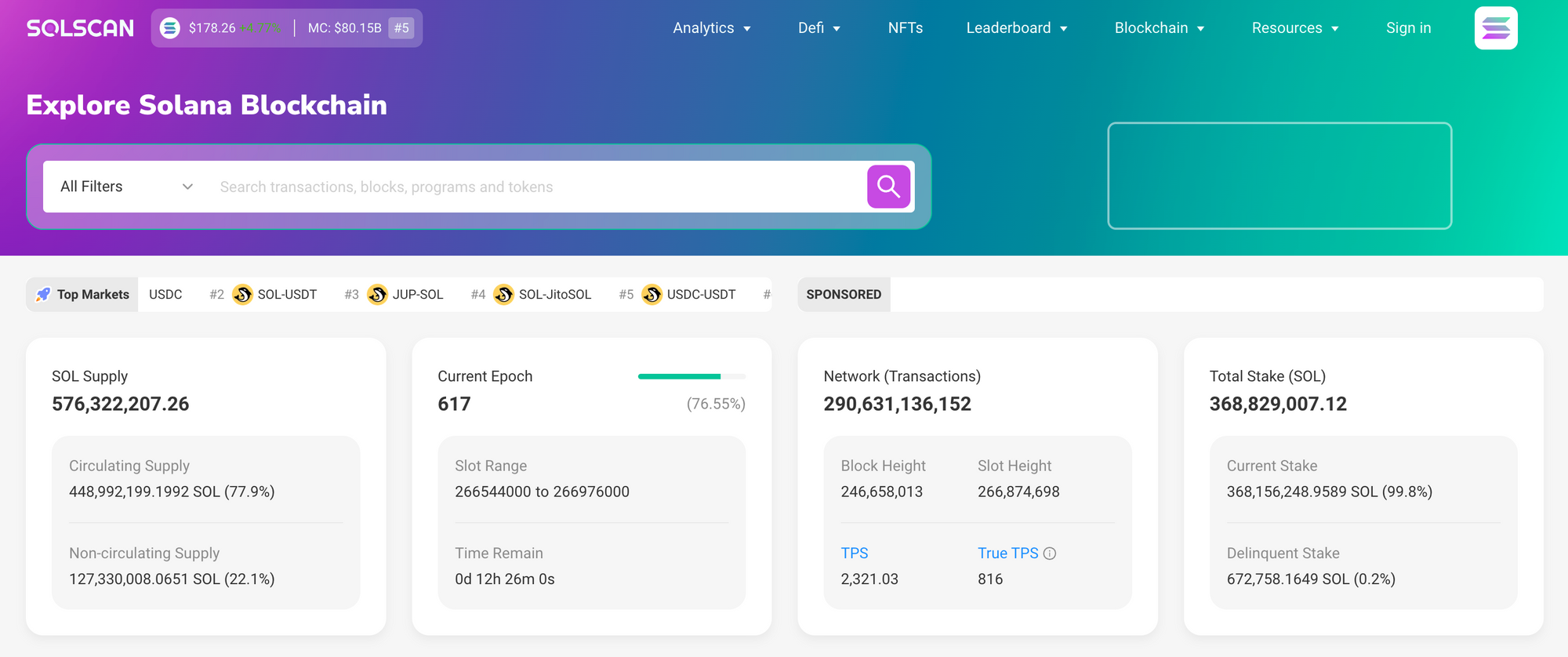
I’m biased, but pairing a human-readable UI with programmatic backfills reduces surprises. Try solscan explorer for quick inspection, and then verify with your own indexer when stakes are high. Wow, very very helpful. Next instrument event-driven updates rather than polling everything every few seconds, though implement backfill windows and reorg protections so you don’t miss or double-count transfers when a reorg or a conflicting transaction occurs. Finally, log raw transaction bytes and decoded instruction trees for spot audits.

Okay, so check this out—practical habits. Use multi-RPC fallbacks and compare blockhashes to avoid stale reads. Rotate validators for diversity. Hmm… sometimes an indexer will be caught up but missing CPS-parsed fields. Keep an eye on compute budget errors and partial successes. Somethin’ as small as a failed inner instruction can change how a marketplace payout is interpreted.

Common questions

How do I trace an NFT’s full provenance?

Start with the mint transaction and then follow all Transfer and Approve instructions, decode inner instructions for CPIs, and cross-reference cached metadata endpoints; replay the slot if necessary to reconstruct the exact sequence. I’m not 100% sure you’ll always get everything from public APIs, so plan for local snapshots.

Can I rely only on explorers for legal audits?

No. Explorers are great for rapid triage and human review, but for legal-grade audits you need raw tx bytes, validated indexer dumps, and reproducible backfills; combine those with signed logs and you have a defensible trail. On one hand explorers save time, though actually auditors will want the original evidence.

Uncategorized

Getting into HSBCnet: a practical, slightly opinionated guide for corporate users

Wow!
Logging into corporate banking platforms should be simple.
But seriously, it often isn’t.
My first impression the first time I set up HSBCnet was: clunky, but powerful.
Initially I thought the onboarding would be a quick few clicks, but then realized there are multiple identity layers and treasury workflows that change everything about access and permissions.

Here’s the thing.
Many businesses treat “bank login” like a consumer habit.
That’s a mistake.
Corporate access is more about roles, auditability, and least-privilege than convenience.
On one hand, users want speed; on the other, compliance and fraud prevention demand friction—though actually, the best approach is to design predictable, fast flows for authorized users while keeping strong controls behind the scenes.

Whoa!
If you’re connecting to HSBCnet for the first time, expect checks.
You’ve got device registration, token setup, and admin approvals.
Those steps sound annoying, and yeah they are sometimes.
But they cut real risk—so don’t skip them.

Quick tip from experience: map roles before you request access.
Seriously.
Know who needs view-only vs payment initiation rights.
That clarity speeds setup and reduces support churn.
When I helped a mid-market firm migrate their treasury access, having a simple role matrix saved us many back-and-forths, and reduced duplicate user entitlements that were creating audit headaches.

Desk with laptop showing HSBCnet login screen, cup of coffee to the side

Basic login flow and common pain points

Okay, so check this out—HSBCnet uses a mix of username/password, hardware or mobile tokens, and device registration.
Your admin will assign entitlements.
You register your token and then pair devices.
Sometimes the token app won’t sync; hmm… that part can be frustrating.
Actually, wait—let me rephrase that: token sync failures are rare, but when they happen they often trace back to time settings or app permissions on mobile devices.

My instinct said to test every user on Day 1.
We did that.
And we found issues early.
Early testing prevented payroll delays later.
You’re welcome.

Common issues you’ll see: mismatched corporate entity details, expired credentials, and users trying to use consumer credentials where corporate ones are required.
Fix the first by coordinating with your relationship manager and reconciling legal entity names.
Fix the second by enforcing credential rotation policies.
Fix the third by training users on which portal to use—seems dumb, but it matters.

How admins can speed onboarding (and avoid repetitive support tickets)

Make a checklist.
Trust me.
Write down every step: admin creation, entity verification, token assignment, role mapping, test transaction.
Run that checklist for each new user.
On one hand it’s manual work up front; on the other, it reduces support load dramatically—so it pays off.

Automate where possible.
If you have an identity provider, integrate it with HSBCnet using SAML where supported.
This reduces password resets and improves traceability.
Be mindful of federation scope though; too broad, and you grant somethin’ like company-wide access unintentionally…

Also—document your recovery process.
Who has the spare token?
Where is the admin fallback?
We saw a client lose payroll access for a day because no one had documented token recovery.
That part bugs me.

Where to go for the official steps

If you want a step-by-step resource, the bank posts official guidance and login pages; one useful route to the HSBCnet login guidance is here: https://sites.google.com/bankonlinelogin.com/hsbcnet-login/ which has links and notes that help with token registration and initial admin setup.
Use that as your baseline, but adapt it to your internal workflows.

On practical security: enforce multi-person approval for high-value payments.
Seriously.
It reduces fraud and provides a clean audit trail.
Initially I thought dual controls were overkill for smaller firms, but after seeing a fraud attempt bypass a single approver, I’m converted.

Don’t forget device hygiene.
Encourage users to update mobile OS and token apps.
Old devices mean greater failure rates and security exposures.
Plus, mobile OS updates can break app permissions unexpectedly—so schedule periodic checks.

FAQ

Q: What do I need to start using HSBCnet?

A: At minimum you need an assigned corporate user ID, the appropriate entitlements, and a registered security token (hardware or app).
Your admin handles entity verification and initial permissions.
If somethin’ seems off, contact your relationship manager—don’t attempt to improvise access changes yourself.

Q: Token lost or device changed—what then?

A: Report it immediately to your admin and to HSBC support.
There are recovery flows, but they require identity verification and admin approvals.
Plan for redundancy—keep spare tokens or designate secondary approvers so operations aren’t blocked.

Q: Can HSBCnet work with our single sign-on?

A: Often yes, via federation (SAML).
However, integration needs careful scoping to preserve least-privilege and separation between consumer and corporate credentials.
Test in a sandbox before rolling to production.

I’ll be honest—there’s no magic button.
Some parts are tedious.
Yet with a few organizational habits, you can make HSBCnet reliable and relatively painless.
On balance, it’s a robust treasury platform that rewards good admin work and sensible governance.
So plan, test, and then sleep a little easier—well, maybe not totally, but better.

Uncategorized

How I Stopped Losing Sleep Over Crypto: Practical Notes on Portfolio, Backups, and Multi-Coin Support

Here’s the thing. I started juggling crypto wallets years ago, feeling both excited and wary. Some moves were smart, some were dumb, but all taught me about risk. Initially I thought one app could solve every problem, but then reality showed gaps across backup recovery, multi-chain support, and portfolio visibility. So I became picky; I wanted a single interface that actually respected private keys, let me restore from seed or file, and let me track dozens of assets without constant context switching.

Here’s the thing. Portfolio management is not glamorous, but it’s crucial for keeping losses small. You need clear balances, simple allocation tools, and alerts when a position drifts too far. On one hand some wallets show balances and token lists fine, though actually they scatter data across tabs and make cross-chain snapshots a chore, which is maddening when markets move quickly. My instinct said consolidate, but then I worried about single-point failures; after all, backups can be lost, hardware fails, and human error is the top threat to crypto holdings.

Here’s the thing. Backup and recovery should be dead simple and extremely reliable for everyone. Seeds, encrypted files, and cloud-less export options matter more than flashy UIs. Initially I trusted a cloud sync, but then a provider changed terms and I nearly lost access to a second account—actually, wait—let me rephrase that, I had to jump through hoops to prove ownership and it felt unsafe. So I adopted multi-layered backups: a printed seed, an encrypted file stored offline, and a secondary hardware device kept elsewhere; redundancy like that feels overkill until you need it.

Here’s the thing. Multi-currency support isn’t just about number of coins listed on the UI. Real support includes native chain transactions, token swaps, and custom fee controls per asset. On one hand adding every token is useful to collectors; on the other, token integrations that pretend native support and instead route through bridges or custodial services introduce hidden risks and complexity that users rarely see until it’s too late. I’m biased toward wallets that let me interact with smart contracts, sign messages for dApps, and export transaction history for tax software without forcing me to trust a middleman.

A screenshot-like schematic of a multi-coin wallet dashboard, showing balances and backup options

Choosing a practical wallet

Here’s the thing. After testing many apps, I kept coming back to solutions that balanced security and usability. One of those was a multi-platform wallet with robust backups and multi-currency support. I used guarda because its desktop and mobile apps let me hold many coins, export encrypted backups, and restore from seed or file without forcing cloud-only recovery—so I could switch devices quickly when needed. That combination of multi-platform access, non-custodial control, and clear recovery flows is exactly what I want from a modern wallet, and here’s why it matters for everyday holders and power users alike.

Here’s the thing. I once woke to a token being five times worth more and needed rebalancing. Quick swaps, low fees, and a portfolio overview saved me time and a bad decision. On one hand decentralized exchanges offer control, though actually the UX can be brutal for newbies, and mistakes in contract addresses or gas settings can erase gains faster than the market moves. So my rule became: I prefer wallets that integrate reputable swap aggregators natively and let me preview transactions before signing, because seeing the gas and path reduces costly surprises.

Here’s the thing. Security is layered, never singular; backups are one layer among many. Use hardware wallets for large holdings, add passphrases, and test restores every so often. My instinct said document everything, but actually I had to balance secrecy and accessibility, so I split backups between a safe deposit box and a home safe with a shared note everyone could follow if needed. Human procedures matter; you don’t just secure keys, you plan for what happens when the key-holder is incapacitated or forgets an instruction, and that planning involves legal and practical steps most people skip.

Here’s the thing. Good UI matters, but analytics matter more for decision making. I want historical charts per asset, realized P&L, and exportable CSVs for taxes. On one hand some apps keep dashboards minimal; on the other, power users need deeper metrics, and a wallet that supports both simple summaries and detailed exports is rare but valuable. That tension between beginner simplicity and power-user depth is where many wallets stumble, offering either toy features or overwhelming options with zero handholding.

Here’s the thing. Crypto felt like the wild west at first, and it still does in pockets. But practical tools shrink friction and make stewardship realistic for more folks. Initially I chased the newest features, then I realized the winners were those who focused on backups, clear multi-currency flows, and sensible portfolio tooling, because those features prevent heartbreak when things go sideways. If you care about your crypto for the long term, pick a wallet that lets you hold keys, restore reliably, and see your entire financial picture without guessing—do those things and you’ll sleep better.

Common questions I hear

How many backup methods should I have?

Here’s the thing. Two is the practical minimum: a seed phrase stored offline and an encrypted file on removable media. A third, like a hardware wallet or a geo-separated paper backup, is very very important for larger portfolios. Also, test one restore at least once; somethin’ in the process often surprises folks.

Can one wallet really handle everything?

Here’s the thing. No single app is perfect for every need, though some do a very good job across common scenarios. I’ll be honest: I still use a hardware device for cold storage and a hot wallet for daily activity, because mixing tools reduces risk. Hmm… on one hand convenience matters, on the other, redundancy and explicit recovery paths save you from disaster.