
Uncategorized
I was deep into tracing a dozen SOL transactions when something odd popped up. At first it looked like a routine transfer between wallets on a high-throughput block. Here’s the thing. Initially I thought it was just a dust transfer, but then I pulled the raw signatures and realized a multisig relay and a token swap were tangled in the same slot, which changed everything about how I would analyze the event. My instinct said the explorer UI was hiding the nuance behind a single line entry.
Solana moves fast, and that speed hides a lot. Parsing transactions requires both chain-level logs and off-chain context like marketplace orderbooks. Hmm… this was surprising. On one hand you have raw instructions—program IDs, account metas, compute budget details—though actually, when you stitch together transaction logs with NFT metadata lookups, the story about ownership, royalties, and failed auctions becomes clearer but also more complicated because of inner instructions and CPI calls. If you’re building an NFT tracker you quickly discover these edge-cases.
I started using an explorer more seriously after a nasty reconciliation bug. It showed me confirmations and block times, but not the full token-mint history I needed. Wow, that surprised me. Actually, wait—let me rephrase that: the tools gave me traces, but the traces were fragmented across program logs and sibling transactions, and so recreating an accurate provenance for an NFT demanded replaying slots and decoding binary instruction layouts, which is tedious if you rely on only a web UI. This part bugs me because provenance matters for valuation and for dispute resolution.
Check the mempool, sure, but also look at inner instructions and pre/post token balances. Solana’s parallel runtime means events that seem sequential may be processed out of order at the application level. Hmm… makes you think. Initially I believed a single explorer could be the one-stop answer, but after digging I realized the best approach is hybrid: combine a focused blockchain explorer, on-chain indexers, and periodic full-slot replays to catch those rare, yet material, anomalies. There are trade-offs though; full replays cost compute and indexers cost storage.
So what should a good solana explorer surface for transactions? First, explicit inner instruction unpacking with the program names and decoded args. Seriously, pay attention. Second, a reliable NFT tracker must show mint history, metadata changes, royalty recipients, marketplace fee splits, and historical holders across forks or soft failures, because a simple ownership snapshot misses the transfer-by-transfer narrative that collectors and legal teams care about. Third, provide easy-to-export CSVs and APIs so auditors can run offline checks.
I use various explorers when I need a quick, readable view of complex slots. But I also maintain local tooling that decodes custom programs and cross-references metadata servers. Whoa, not trivial. On production systems I instrument custom Node RPC tracing and snapshot diffs, then I compare those results against what public explorers index, and the mismatches often point to indexer lag, RPC caching, or missed CPI deserialization logic. Those mismatches are teachable moments for engineers and for traders alike.
Why this workflow works for me
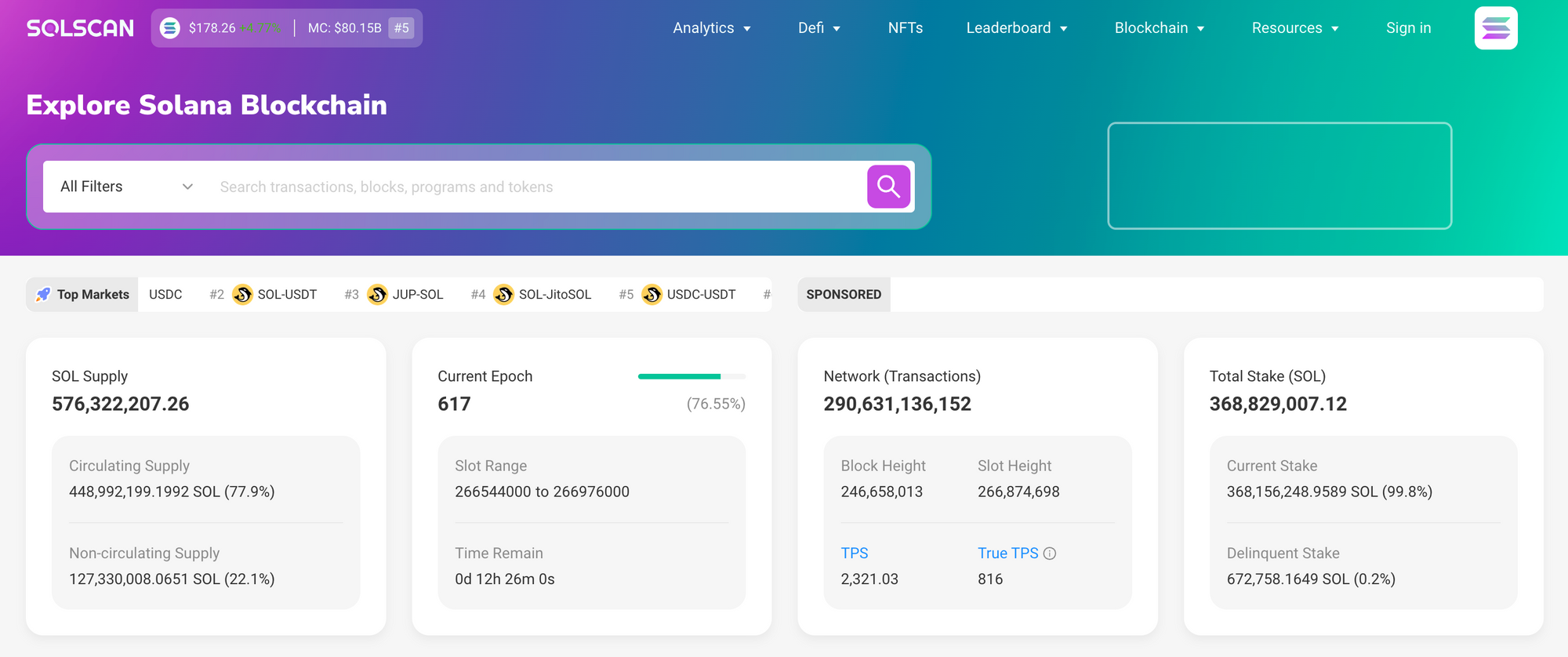
I’m biased, but pairing a human-readable UI with programmatic backfills reduces surprises. Try solscan explorer for quick inspection, and then verify with your own indexer when stakes are high. Wow, very very helpful. Next instrument event-driven updates rather than polling everything every few seconds, though implement backfill windows and reorg protections so you don’t miss or double-count transfers when a reorg or a conflicting transaction occurs. Finally, log raw transaction bytes and decoded instruction trees for spot audits.
Okay, so check this out—practical habits. Use multi-RPC fallbacks and compare blockhashes to avoid stale reads. Rotate validators for diversity. Hmm… sometimes an indexer will be caught up but missing CPS-parsed fields. Keep an eye on compute budget errors and partial successes. Somethin’ as small as a failed inner instruction can change how a marketplace payout is interpreted.
Common questions
How do I trace an NFT’s full provenance?
Start with the mint transaction and then follow all Transfer and Approve instructions, decode inner instructions for CPIs, and cross-reference cached metadata endpoints; replay the slot if necessary to reconstruct the exact sequence. I’m not 100% sure you’ll always get everything from public APIs, so plan for local snapshots.
Can I rely only on explorers for legal audits?
No. Explorers are great for rapid triage and human review, but for legal-grade audits you need raw tx bytes, validated indexer dumps, and reproducible backfills; combine those with signed logs and you have a defensible trail. On one hand explorers save time, though actually auditors will want the original evidence.